Autopilots
The extra crew member at your command.
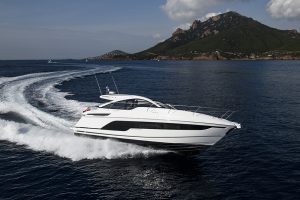
It's a beautiful day, the sun's out, the sea's blue a nd you're underway, what a great opportunity for your autopilot to take over helming duties whilst you sit on deck soaking up the sun. Just hit the button and the day is yours.
or maybe...
The wind has come up, the sea is getting choppy and to cap it all here comes the rain. Just hit that button and let your autopilot take the strain whilst you check everything is secure below
So what is an Autopilot?
An autopilot connects to your steering system and continually corrects your boat's heading with information supplied by the compass, wind transducers or GPS.
Autopilots are designed to maintain an accurate course in various sea conditions with minimal helm movements. They can act as a spare pair of hands or an extra crew member allowing you to fix the sails or get the fenders over the side. Because they steer so accurately, they can also save fuel and get you to your destination faster, especially when connected to a chartplotter.
Remember - autopilots cannot see, so they cannot avoid obstacles or other vessels. Always, maintain a vigilant watch.
Autopilots consist of three main components: a heading sensor (usually a compass), a processor and drive controller (the brains), and a drive mechanism (the business end).
Autopilot Types
There are two types of autopilot, Cockpit and Inboard (also called below-deck). Cockpit pilots are simple to install and remain in the cockpit in all types of weather. Inboard autopilots are permanently mounted below decks and are more powerful, more reliable, steer your boat better and can be supplied with a range of autopilot controllers.
Click here for the full range of autopilots from Raymarine.